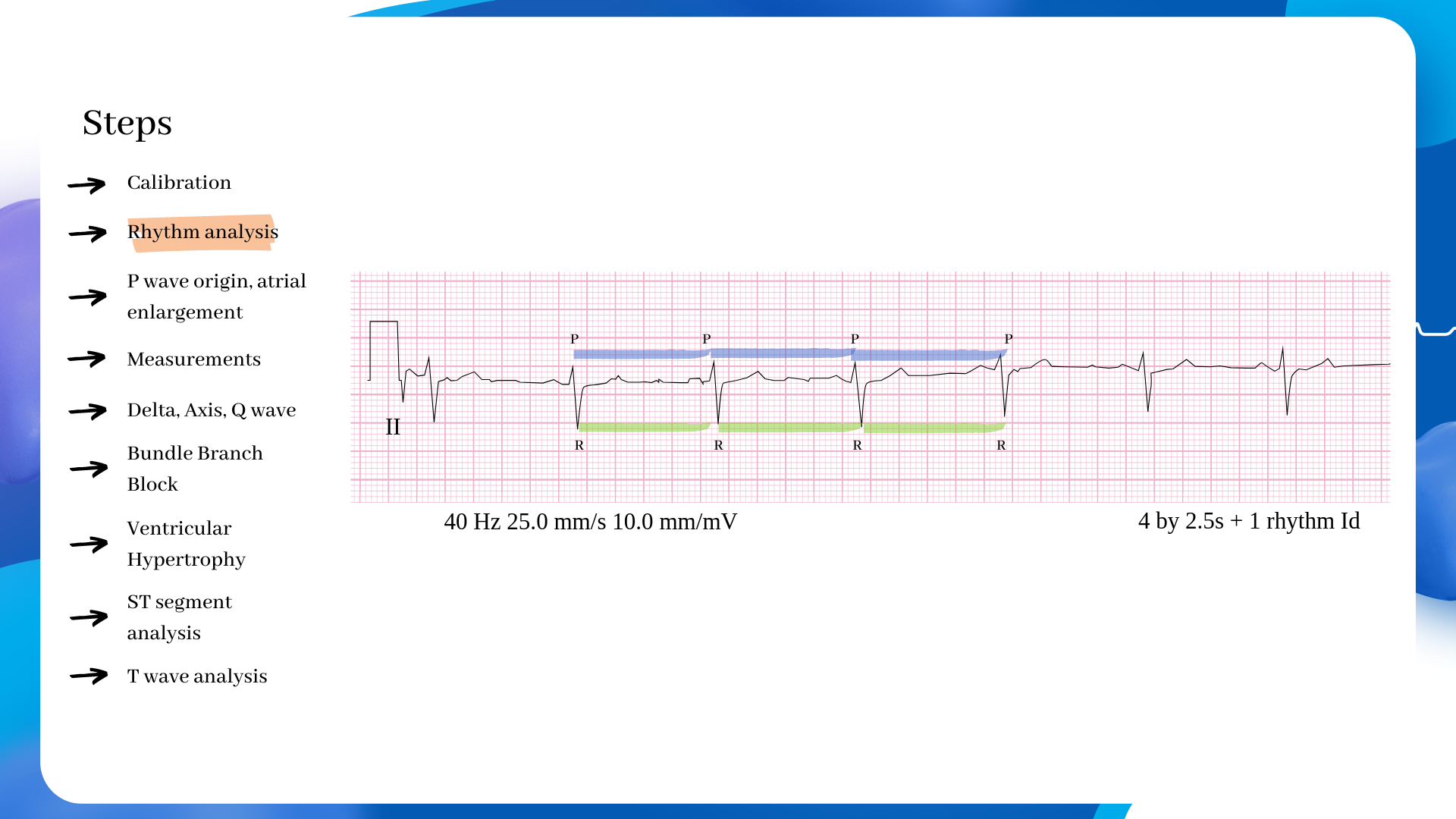
The ECG Test Bank, an online healthcare academy, sought a more immersive and efficient way to teach electrocardiogram (ECG) interpretation. While existing resources covered technical cardiology concepts, they lacked clinical context and did not simulate the decision-making process medical professionals face in real scenarios.
The goal was to design a program that:
Provided practical, case-based training for medical professionals preparing for ECG interpretation exams.
Helped practitioners sharpen their diagnostic skills for real-world application.
Delivered content in a format that respected busy healthcare professionals’ limited study time.
Solution
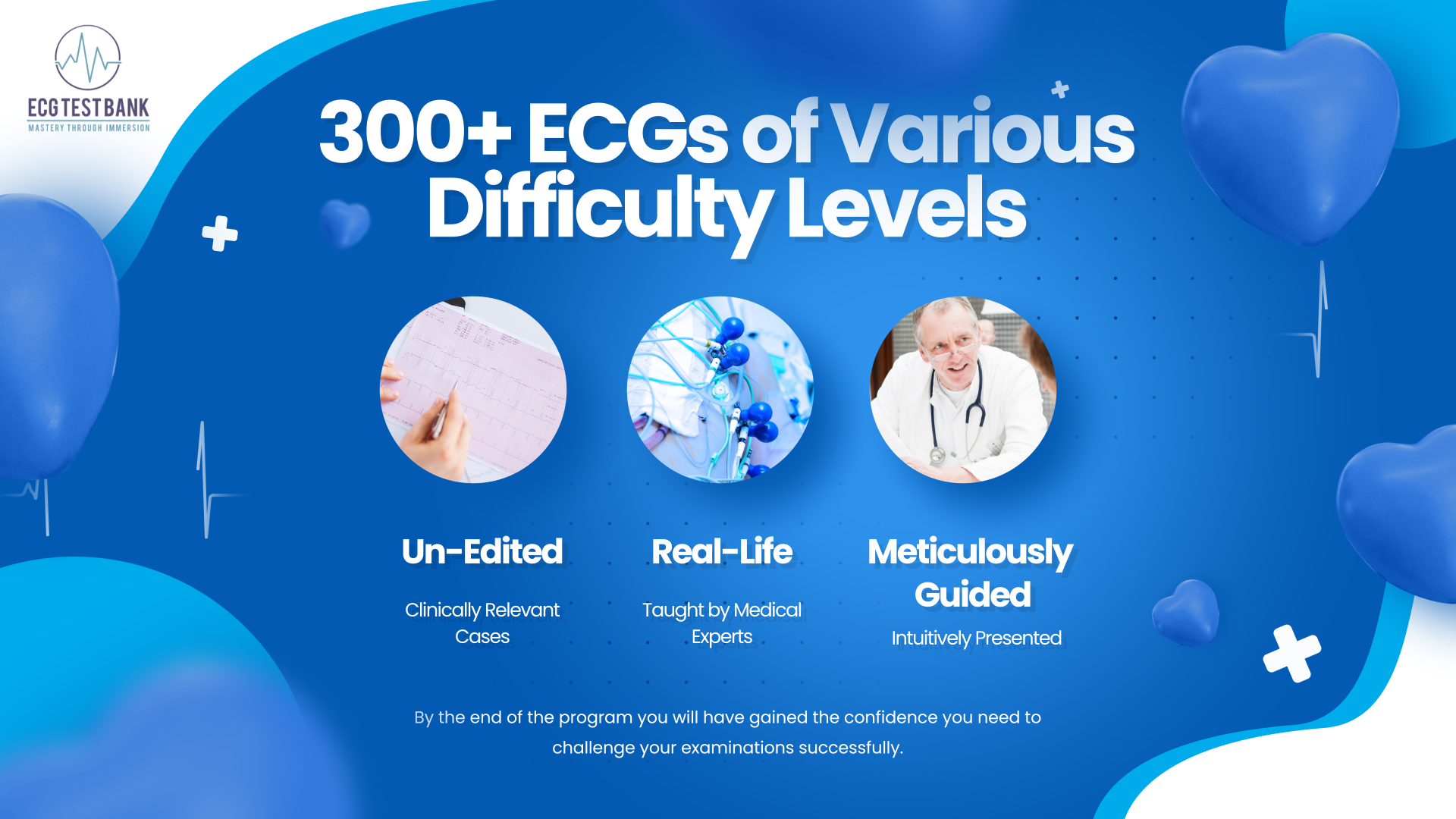
SkildLabs created a short-form, video-based training program built around authentic, un-edited ECG cases. Instead of generic diagrams or idealized examples, learners worked with ECGs that closely mirrored exam and clinical conditions.
Instructional Design Approach
Microlearning Format – Content was broken into concise, focused modules, each covering one ECG case and interpretation process. This allowed learners to master one concept at a time, reducing cognitive load and improving retention.
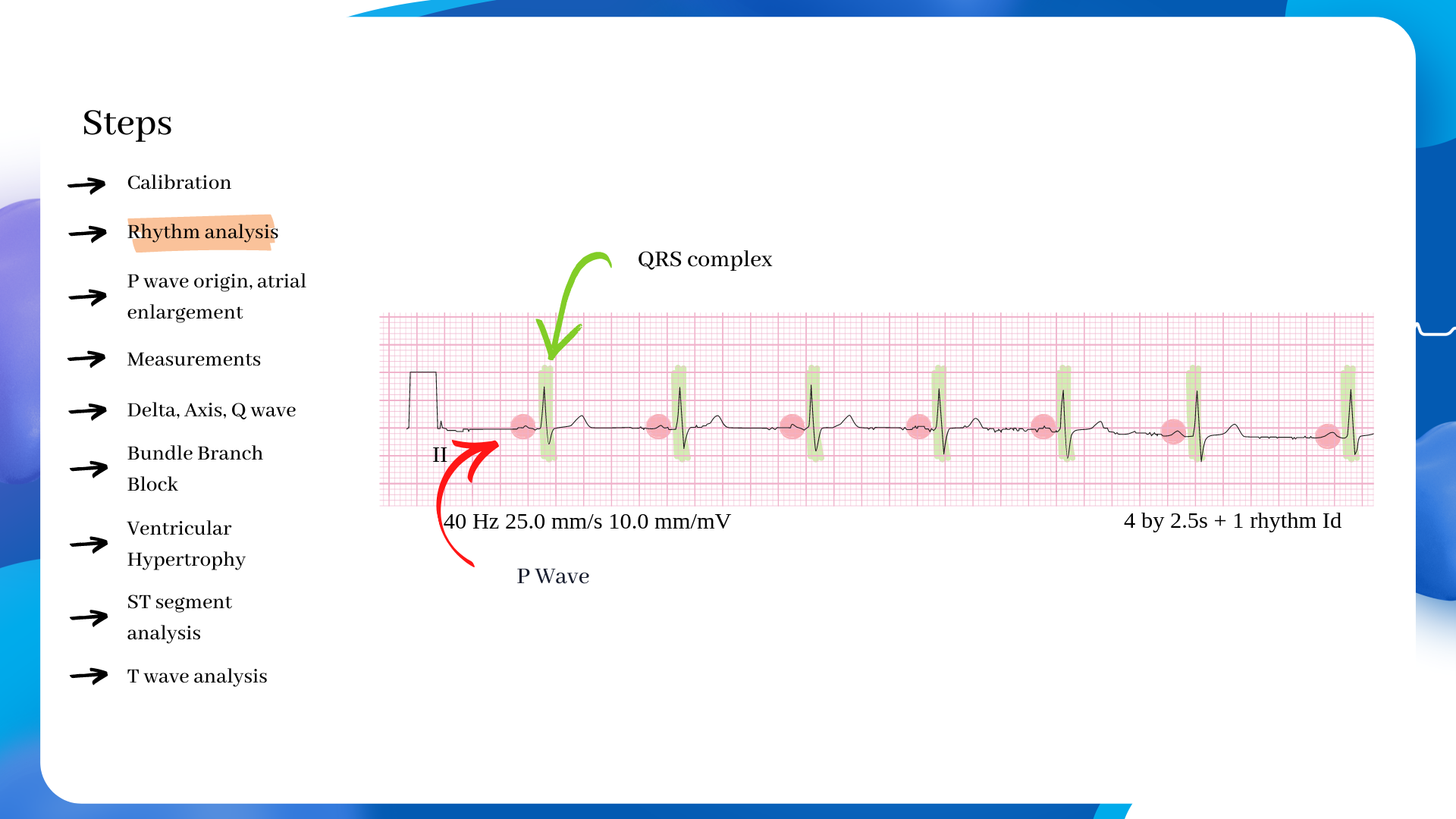
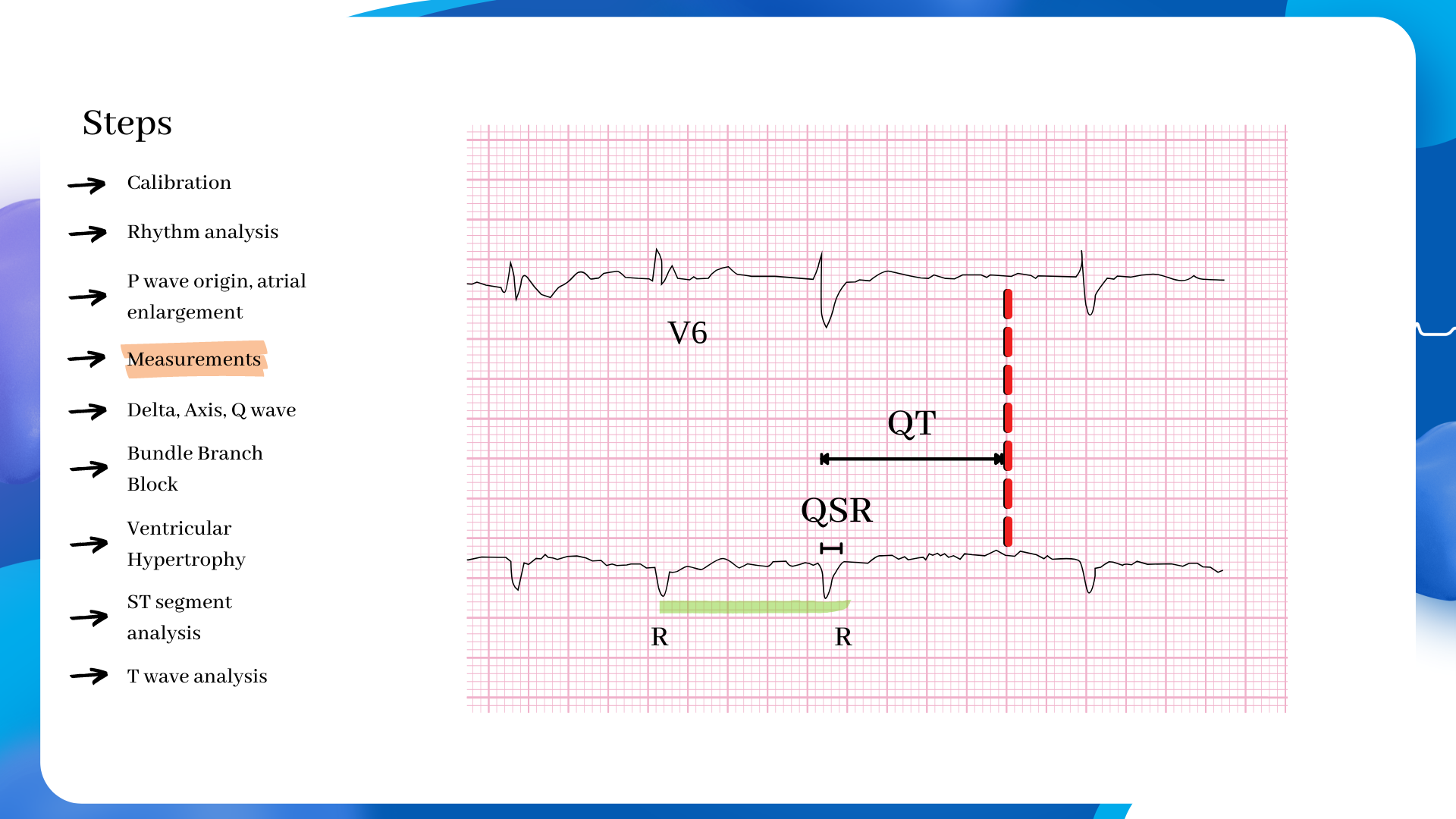
Step-by-Step Guided Interpretation – Videos used a visual think-aloud method, where the instructor demonstrated the reasoning process in real time, guiding learners through each diagnostic step.
Authentic Materials – All ECGs were drawn to scale and converted to SVG files for maximum clarity, ensuring visual fidelity to real medical equipment output.
Progressive Skill Building – The course was sequenced to move from foundational rhythm analysis to more complex arrhythmias, reinforcing prior learning at each stage.
Benefits
Every element of the training was crafted to mirror real-world ECG interpretation, combining clinical accuracy with an engaging, efficient learning experience.
Realistic, Case-Based Learning
Each lesson focused on a single medical scenario (e.g., sinus arrhythmia, sinus bradycardia with first-degree AV block), providing deep insight into how to approach specific diagnoses—not just what the final answer is.
Exam and Clinical Readiness
Because all examples were sourced from real cases, learners developed confidence interpreting ECGs in both test conditions and day-to-day practice.
Higher Retention & Engagement
By combining authentic cases, visual step-by-step guidance, and focused lessons, the program addressed both knowledge gaps and practical skills, resulting in greater learner satisfaction and preparedness.